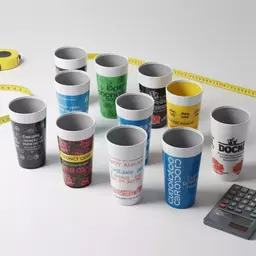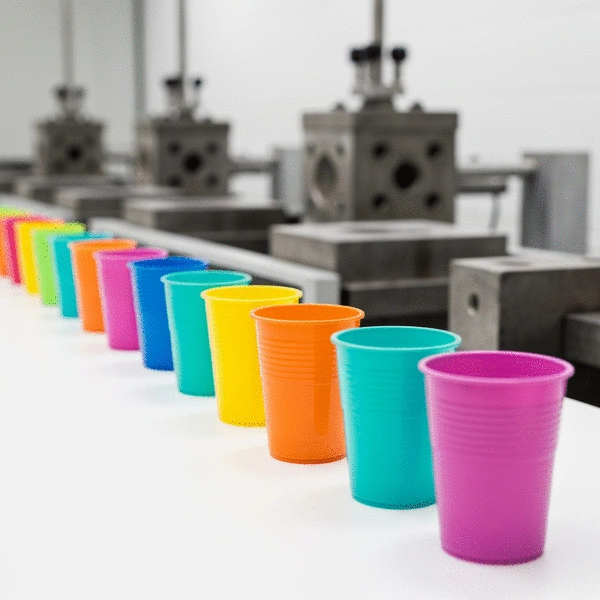
Quality and sustainability in custom plastic cup production are not just goals but necessities. With the right strategies, you can transform challenges into opportunities for improvement. Here’s what you will uncover from this insightful article:
What You Will Learn
- Identifying common defects in custom plastic cups, such as cracks, dents, and poor sealing, is crucial for maintaining quality.
- Temperature and pressure play a vital role in production; improper settings can lead to significant defects.
- Regular maintenance and operator training can minimize human error and mechanical failures, enhancing production efficiency.
- Utilizing visual aids like flowcharts and diagrams can streamline troubleshooting processes and improve team response times.
- Incorporating high-quality materials and innovative designs can lead to superior product performance and customer satisfaction.
Troubleshooting Flow for Custom Plastic Cup Production
This visual outlines common defects, their root causes, and general solutions in custom plastic cup manufacturing.
Common Defects: Visual Indicators
- ●Cracks or Breaks: Structural weakness, material quality.
- ●Dents and Warps: Improper handling, temp fluctuations.
- ●Poor Sealing: Leaks, incorrect machine settings.
- ●Bubble Formation: Air pockets, weak spots.
Root Causes & Impact
- ●Temperature/Pressure: Incomplete formations, distortion.
- ●Material Selection: Weak seals, unsuitable finish.
- ●Miscalibrated Machines: Inconsistencies in production.
- ●Environmental Factors: Humidity/temp changes.
Machine-Specific Troubleshooting
- ●Thermoforming: Check heating, feed rate, mold maintenance.
- ●Injection Molding: Monitor pressure, cooling, mold damage.
- ●Sealer Machines: Calibrate heat, adjust timing, train operators.
Preventive Measures & Best Practices
- ●Routine Maintenance: Inspections, performance tests, records.
- ●Operator Training: Workshops, hands-on, feedback.
- ●Equipment Routines: Checklists, cleaning schedules, logs.
- ●SOPs: Clear standard operating procedures.
Troubleshooting Common Issues in Custom Plastic Cup Production
As a seasoned expert in the plastic manufacturing industry, I've encountered my fair share of hurdles in custom plastic cup production. It’s crucial to address these challenges head-on to maintain quality and customer satisfaction. In this section, I’ll guide you through common defects, their root causes, and practical solutions to enhance your production efficiency.
Whether you're a small business or a large operation, understanding these issues can significantly impact your bottom line. Let’s dive in and troubleshoot the common issues together!
Understanding Common Defects in Custom Plastic Cups
Identifying defects early in the production process is essential. Common defects can lead to customer complaints and increased costs. Here are some key indicators to watch for:
- Cracks or Breaks: Signs of structural weakness often caused by poor material quality.
- Dents and Warps: Indications of improper handling or temperature fluctuations during production.
- Poor Sealing: Results in leaks and can stem from incorrect settings on sealing machines. The environmental impact of single-use cups, particularly those with poor sealing, contributes significantly to waste. For more information on this issue, you can refer to research on The Single-Use Cup Crisis.
By recognizing these indicators, you can take immediate action to rectify the situation and prevent further issues down the line.
Identifying Plastic Cup Defects: Key Indicators
Every defect tells a story about what went awry in the production process. For instance, if you notice dents on the bottom of your cups, this often points to improper cooling or stacking methods. Regular visual inspections can help catch these defects before they reach your customers.
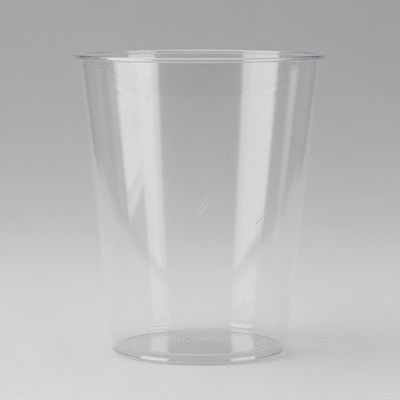
Furthermore, visual characteristics can vary significantly based on the type of defect, making it easier to diagnose specific issues when you know what to look for!
Common Issues and Their Visual Characteristics
- Bubble Formation: Small air pockets that can create weak spots.
- Uneven Thickness: May cause the cups to collapse under pressure.
- Surface Imperfections: Can include scratches or blemishes that affect aesthetic appeal. These imperfections can also impact the perception of quality, as highlighted in studies on packaging defects and consumer perception.
Understanding these characteristics allows you to troubleshoot effectively and maintain a high standard of quality.
Root Causes of Defects in Plastic Cup Production
Now that we’ve identified some common defects, let’s explore the root causes behind them. Understanding these factors can help you implement effective solutions to minimize issues in the future.
Temperature and Pressure: The Critical Factors
Temperature and pressure play a critical role in the production of custom plastic cups. If the temperature is too low during molding, it can lead to incomplete formations. Conversely, excessive pressure can cause distortion.
Maintaining optimal settings is key! Regular calibration and monitoring can prevent many of these issues from arising.
Material Selection: How It Affects Quality
The choice of materials can greatly influence the end product's quality. For instance, using food-grade plastic is essential not only for compliance but also for ensuring durability and safety. Poor quality materials can lead to defects such as weak seals or an unsuitable finish.
At Plastic Cups Manufacturers, we prioritize high-quality, biodegradable materials to ensure a product that meets both environmental standards and customer expectations.
Analyzing Defects: Common Failure Modes and Their Impact
- Material Fatigue: Over time, materials may lose their integrity, leading to cracks.
- Miscalibrated Machines: Can introduce inconsistencies in production.
- Environmental Factors: Humidity and temperature changes in the production area can also affect outcomes.
By analyzing these failure modes, you can develop a robust preventive strategy that enhances your production quality.
Machine-Specific Troubleshooting Techniques
Different machines can present unique challenges. Here’s how to tackle some common issues associated with specific equipment.
Troubleshooting Thermoforming Machines
Thermoforming machines are integral to producing custom shapes. If you notice frequent defects, check for the following:
- Heating Elements: Ensure even heating across the mold.
- Material Feed Rate: Adjust for consistency in the final product.
- Mold Maintenance: Regular cleaning to avoid residue build-up.
Proper maintenance and adjustments can dramatically improve your production outcomes.
Injection Molding: Common Problems and Solutions
Injection molding can also pose its own set of challenges. Pay attention to:
- Injection Pressure: Too high or too low can lead to defects.
- Cooling Time: Inadequate cooling can cause warps.
- Mold Damage: Inspect for wear and tear regularly.
Staying ahead of these issues helps you maintain control over quality and efficiency.
Addressing Cup Sealer Machine Issues
Sealing is crucial in the production process. If you encounter sealing failures, consider checking:
- Heat Settings: Ensure they are calibrated correctly for the material.
- Seal Timing: Adjust for optimal bonding.
- Operator Technique: Train operators on best practices for sealing.
Addressing these issues promptly can save time and resources.
Step-by-Step Solutions to Common Production Problems
Let’s get practical! Here are some step-by-step solutions to common production problems that may arise.
Quick Fixes for Dented Bottoms and Soft Cups
If you’re facing issues with dented bottoms, consider the following quick fixes:
- Adjust the cooling time to ensure the material hardens properly.
- Reassess the stacking methods to prevent damage.
- Inspect the transportation process to minimize impact.
These swift adjustments can enhance your product's quality and reduce waste.
Addressing Sealing Failures in Production
To tackle sealing failures, follow these steps:
- Check the temperature settings on the sealer machine.
- Ensure that the sealing surfaces are clean and free from debris.
- Test various sealing times to find the optimum.
Implementing these strategies can lead to a more reliable sealing process.
Preventive Maintenance and Best Practices
To minimize issues in production, preventive maintenance is vital. Here are some best practices you can adopt for optimal machine performance.
Regular Maintenance for Optimal Machine Performance
Scheduling regular maintenance checks for your machines is essential. This includes:
- Routine inspections of heating elements and molds.
- Conducting performance tests periodically.
- Keeping detailed records of machine usage and issues.
By staying proactive, you can avoid costly downtimes and maintain production quality.
Operator Training: Reducing Human Error in Production
Human error can be a significant factor in production defects. Implementing comprehensive training programs can help reduce mistakes. Consider:
- Regular workshops to keep operators updated on best practices.
- Hands-on training sessions for new employees.
- Encouraging feedback from operators to improve procedures.
Investing in your team fosters a culture of quality and efficiency in production!
Implementing Equipment Maintenance Routines to Enhance Production Efficiency
Establishing a maintenance routine tailored to your equipment is crucial for long-term success. This could include:
- Setting up a checklist for daily inspections.
- Creating a timeline for deep cleaning and part replacements.
- Utilizing a maintenance log to track performance and repairs.
Creating a structured approach ensures that your production runs smoothly and consistently.
Visual Aids for Effective Troubleshooting
Visual aids are powerful tools in troubleshooting. They can help streamline processes and make information accessible. Here’s how to utilize them effectively.
Creating a Comprehensive Troubleshooting Flowchart
A flowchart can guide operators through the troubleshooting process step-by-step. Make sure to include:
- Common issues and their symptoms.
- Possible fixes at each stage.
- Contact information for further assistance if needed.
This visual guide can become an invaluable reference during production runs.
Utilizing Diagrams and Checklists for Quick Reference
- Diagrams showing machine setups and proper operation.
- Checklists for daily machine maintenance tasks.
- Visual guides demonstrating defect identification.
These resources empower your team to act quickly and effectively when issues arise!
Quality Control Measures in Custom Plastic Cup Production
Quality control is paramount in maintaining high standards in production. Let’s explore how to effectively implement these measures.
Testing for Compliance with Industry Standards
Regular testing ensures that your products meet industry standards. This can include:
- Conducting material safety tests.
- Ensuring compliance with food-grade regulations.
- Verifying strength and durability through stress tests.
Staying compliant not only protects your brand but also builds customer trust!
Utilizing Customer Feedback for Continuous Improvement
Customer feedback is a goldmine for improving product quality. Consider:
- Creating surveys to gather insights on product performance.
- Encouraging reviews and testimonials to understand user experiences.
- Implementing changes based on feedback to enhance your offerings.
Listening to your customers allows you to stay ahead of market demands and improve your products continuously.
Advancements in Custom Plastic Cup Manufacturing Techniques
Lastly, let's look at some advancements in manufacturing techniques that can enhance production.
Exploring the Role of Thermoplastic Materials in Production
Thermoplastic materials are gaining traction for their versatility and sustainability. They allow for:
- Recyclability, which supports eco-friendly practices.
- Customization options that meet specific client needs.
- Enhanced durability compared to traditional plastics.
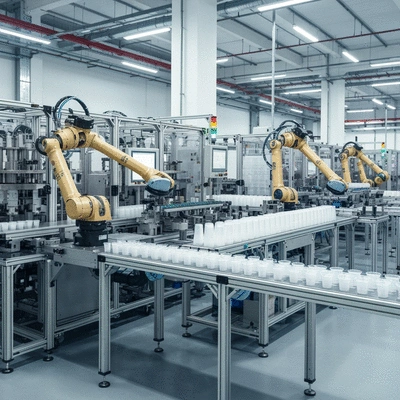
Incorporating these materials can improve product quality while aligning with sustainable goals! For example, the increasing awareness of coffee cup waste highlights the need for more sustainable materials and practices, as discussed in reports like "Time to wake up and smell the coffee cup waste".
Design Engineering and Mold Design for Enhanced Cup Specifications
Investing in advanced mold design techniques can elevate your product specifications. Consider:
- Utilizing computer-aided design (CAD) for precision.
- Incorporating innovative designs that enhance usability.
- Testing molds rigorously to ensure reliability.
These investments can lead to better products and increased customer satisfaction in the long run!
Pro Tip
To minimize defects in custom plastic cup production, consider implementing a robust training program for your operators. Regular workshops and hands-on training can significantly reduce human error, ensuring that your team is well-equipped to handle machinery and troubleshoot issues effectively. Remember, investing in your team is investing in the quality of your product!
Frequently Asked Questions About Custom Plastic Cup Production
- What are the most common defects found in custom plastic cups?
- Common defects include cracks or breaks, dents and warps, poor sealing, bubble formation, uneven thickness, and surface imperfections.
- How do temperature and pressure affect plastic cup quality?
- Incorrect temperature or pressure settings can lead to incomplete formations, distortion, and structural weaknesses in the cups.
- What role does material selection play in preventing defects?
- High-quality, appropriate materials (e.g., food-grade plastic) are crucial for ensuring durability, safety, and preventing defects like weak seals or unsuitable finishes.
- What are some effective troubleshooting techniques for thermoforming machines?
- Troubleshooting involves checking heating elements for even distribution, adjusting material feed rates, and performing regular mold maintenance to prevent residue build-up.
- How can human error be reduced in plastic cup production?
- Implementing comprehensive operator training programs, including regular workshops and hands-on sessions, along with encouraging feedback, can significantly reduce human error.
- Why is preventive maintenance important for machinery?
- Preventive maintenance, including routine inspections, performance tests, and detailed record-keeping, helps avoid costly downtimes, ensures optimal machine performance, and maintains consistent production quality.
- How can visual aids improve troubleshooting processes?
- Visual aids like flowcharts, diagrams, and checklists can streamline troubleshooting by providing clear, step-by-step guidance, quick references for machine setups, maintenance tasks, and defect identification, empowering teams to act quickly.
- How can customer feedback contribute to product improvement?
- Customer feedback, gathered through surveys and reviews, provides valuable insights into product performance and user experiences, allowing manufacturers to implement targeted changes and continuously enhance their offerings to meet market demands.
Summarizing Effective Troubleshooting Strategies
At Plastic Cups Manufacturers, we understand how crucial it is to resolve issues swiftly to maintain production efficiency and product quality. By implementing effective troubleshooting strategies, you can enhance the reliability of your custom plastic cup production processes. Let’s dive into some key approaches that can help streamline your workflow and improve outcomes!
Integrating Preventive Measures into Your Production Workflow
Preventive measures are essential in minimizing defects and ensuring a smooth production flow. Here are some strategies to consider:
- Routine Maintenance: Schedule regular check-ups for all machinery to prevent unexpected breakdowns.
- Quality Checks: Implement frequent in-process inspections to catch issues early.
- Training Sessions: Equip your team with knowledge on best practices and machine operation.
- Standard Operating Procedures (SOPs): Develop clear SOPs to ensure consistency in production practices.
By integrating these preventive measures, you can significantly reduce the occurrence of defects and improve the overall quality of your products!
Evaluating Cost Reduction Strategies for Sustainable Production
Cost efficiency doesn't have to come at the expense of quality. Here are a few strategies that can help you save on production costs while maintaining high standards:
- Bulk Material Purchasing: Buy raw materials in larger quantities to take advantage of lower prices.
- Energy Efficiency: Optimize machine settings to reduce energy consumption during production.
- Waste Minimization: Streamline your processes to minimize scrap and waste generation.
- Investing in Technology: Use modern machinery that enhances production speed and reduces errors.
Implementing these strategies not only lowers costs but also supports a more sustainable approach to manufacturing, which is something I’m passionate about!
Call to Action: Enhancing Your Custom Plastic Cup Production Process
Are you ready to take your custom plastic cup production to the next level? At Plastic Cups Manufacturers, we believe that with the right strategies and tools, you can overcome production challenges effectively. Reach out to us today! Let’s discuss how we can help tailor solutions to meet your unique needs, ensuring sustainability and quality in every cup produced.
Don't hesitate—your journey to enhanced production efficiency starts now! Together, we can make a difference in the world of plastic manufacturing.
Recap of Key Points
Here is a quick recap of the important points discussed in the article:
- Identify Common Defects: Look out for cracks, dents, and poor sealing as key indicators of production issues.
- Monitor Temperature and Pressure: Maintain optimal settings to prevent incomplete formations and distortion in the cups.
- Conduct Regular Maintenance: Schedule routine checks for machines to enhance performance and minimize breakdowns.
- Train Operators Effectively: Implement training programs to reduce human error and ensure best practices in production.
- Utilize Visual Aids: Create flowcharts and checklists to streamline troubleshooting processes and improve team efficiency.
- Seek Customer Feedback: Use customer insights to continuously improve product quality and meet market demands.